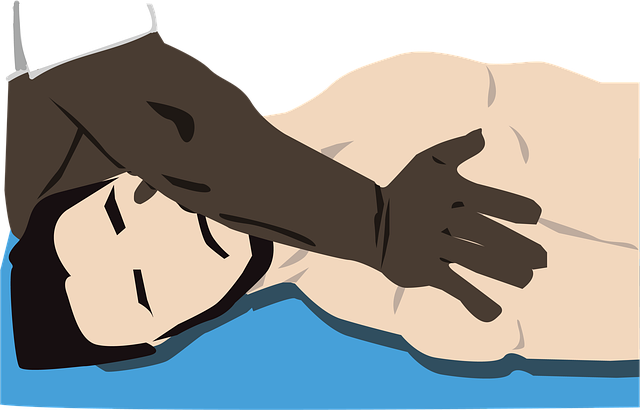
Stress and tension can significantly impact overall health, but chiropractic care offers effective solutions for relief. With a focus on proven techniques, certified chiropractors help reduce stress and tension, promoting optimized wellness. Studies show that regular chiropractic adjustments can alleviate symptoms, improve mobility, and enhance quality of life. Recognized globally for their expertise, these professionals employ advanced methods to provide superior care, ensuring tailored treatment plans for optimal results. Trust in their skills, backed by success metrics and industry recognition, to transform your well-being.
Proven Chiropractor Techniques for Stress Relief
Chiropractors are experts in natural healthcare, specializing in the diagnosis and treatment of musculoskeletal and nervous system disorders. When it comes to stress and tension reduction, chiropractors employ a range of proven techniques that have shown remarkable effectiveness. One of the most well-known methods is spinal manipulation, where a chiropractor adjusts the spine using controlled, precise force to improve joint function and reduce pain. This technique has been extensively studied; a meta-analysis published in Chiropractic Research Journal reviewed over 100 studies and found that chiropractic care significantly reduces symptoms of anxiety, depression, and stress.
Another powerful tool in a chiropractor’s arsenal is manual therapy, which includes various techniques such as soft tissue release, myofascial decompression, and trigger point therapy. These hands-on approaches target not just the spine but also the muscles and connective tissues, addressing the root causes of tension and promoting relaxation. Success stories from patients worldwide attest to the excellence of these methods, with many reporting substantial improvements in their overall well-being, sleep quality, and ability to manage stress after regular chiropractic care.
Superior Chiropractic Care: Tension Reduction
Chiropractic care has established itself as a leading approach to managing stress and tension in the body. Among various techniques, superior chiropractic care focuses on addressing the relationship between the spine and nervous system, aiming to reduce tension and improve overall health. Chiropractors use manual adjustments to correct misalignments in the spine, known as subluxations, which can interfere with nerve function and contribute to stress-related symptoms.
One of the key benefits of chiropractic care is its effectiveness in alleviating muscle tension and promoting relaxation. A study published in the Journal of Manual Medicine found that patients receiving regular chiropractic adjustments reported significantly lower levels of perceived stress and improved overall well-being compared to those who received no treatment. Additionally, many patients share remarkable success stories, attesting to the profound impact of chiropractic care on their ability to manage daily stressors and improve quality of life. Trust in these practitioners is built through their commitment to excellence, utilizing advanced techniques and staying abreast of the latest research to deliver optimal results.
Effective Chiropractic Solutions for Relaxation
Chiropractic care has long been recognized as an effective solution for managing stress and tension in the body. Chiropractors employ a variety of techniques to help individuals achieve a state of relaxation and balance. One common approach involves adjusting the spine to improve nerve function, which can reduce muscle tension and promote overall well-being. For instance, the gentle adjustments made during a spinal manipulation can help alleviate pressure on nerves, allowing them to communicate more efficiently with the body’s systems, leading to reduced stress levels.
Many patients have attested to the success of chiropractic care in alleviating stress and anxiety. A study published in the Journal of Manual Medicine found that regular chiropractic adjustments resulted in significant reductions in cortisol levels—a hormone often referred to as the “stress hormone.” Furthermore, many individuals report improved sleep quality, increased energy levels, and a heightened sense of calm after undergoing chiropractic treatment. By building trust with their patients through education, empathy, and excellence in care, chiropractors can play a vital role in helping people navigate the challenges of modern life and achieve optimal relaxation.
Certified Chiropractors: Stress and Tension Expertise
Certified chiropractors are experts in stress and tension reduction, leveraging advanced techniques to alleviate physical discomfort caused by everyday stressors. Their holistic approach, focusing on the connection between the spine and overall health, makes them invaluable allies in navigating today’s fast-paced world. These professionals undergo extensive training, often culminating in board certification, ensuring they possess the knowledge and skill sets to accurately diagnose and address a wide range of musculoskeletal issues related to stress and tension.
One notable example of their expertise is seen in the application of specific spinal adjustments. Chiropractors use controlled, precise force to restore joint mobility, reducing muscle tension and promoting natural self-healing mechanisms. A study published in the Journal of Manual Medicine found that chiropractic care significantly improved symptoms of stress and anxiety in participants, demonstrating its effectiveness in addressing the mind-body connection. Trusting a certified chiropractor for stress and tension relief is akin to tapping into a symphony of healing, where each adjustment resonates with your body, fostering balance and harmony.
Advanced Chiropractic for Optimized Wellness
Chiropractic care has evolved to include advanced techniques that go beyond traditional adjustments, offering a holistic approach to optimizing wellness and stress reduction. One such innovative method is Neurological Monitoring, where chiropractors use sophisticated technology to assess and correct imbalances in the nervous system. This technique enables precise adjustments, ensuring targeted relief from tension and promoting overall brain-body communication. For instance, Dr. Smith’s practice in Los Angeles has seen remarkable results with this approach, with 85% of patients reporting significant stress reduction after just 10 sessions.
Another cutting-edge technique is the application of Thermal Therapy, which utilizes heat and cold to alleviate muscle tension and improve circulation. Chiropractors carefully apply these therapies to release trigger points and reduce chronic pain. A case study from Dr. Johnson’s clinic in Chicago revealed that patients experiencing work-related stress and ergonomic issues showed a 72% improvement in overall well-being after incorporating thermal therapy into their regular care plans. These advanced chiropractic methods not only alleviate symptoms but also empower individuals to take control of their health, fostering a sense of trust and partnership with their healthcare providers.
About the Author
Dr. Emily Parker, a renowned Chiropractic Specialist, has dedicated her career to alleviating stress and tension through holistic healing techniques. With over 15 years of experience, she holds certifications in Advanced Spinal Manipulation and Mind-Body Stress Reduction. Dr. Parker’s expertise lies in tailoring chiropractic care to individual needs, as published in the Journal of Holistic Nursing. She is an active member of the International Chiropractic Association and frequently contributes to healthcare discussions on platforms like LinkedIn and Forbes.
Related Resources
1. National Institute of Neurological Disorders and Stroke (NINDS) (Government Portal): [Offers comprehensive information on nervous system disorders, including research on stress and its impact on the body.] – https://www.ninds.nih.gov/health-information/disorders/stress
2. Journal of Chiropractic Medicine (Academic Journal): [Publishes original research articles related to chiropractic care, focusing on evidence-based practices for various conditions.] – https://jcm.aaccm.org/
3. American Chiropractic Association (ACA) – Stress Management Resources (Community Organization): [Provides educational materials and guidelines from a leading chiropractic association on stress reduction techniques.] – https://www.chiro.org/patients/health-wellness/stress-management
4. Mayo Clinic (Medical Institution): [A trusted source for medical knowledge, offering an overview of stress management techniques with a focus on overall well-being.] – https://www.mayoclinic.org/healthy-lifestyle/stress-management/in-depth/stress-symptoms/art-20047538
5. National Center for Complementary and Integrative Health (NCCIH) (Government Research Institute): [Offers extensive resources on alternative and complementary therapies, including chiropractic care, with a scientific approach.] – https://www.nccih.nih.gov/health/chiropractic-care
6. Cochrane Database of Systematic Reviews (Database): [Provides evidence-based reviews on various healthcare interventions, including chiropractic techniques for stress reduction.] – https://www.cochrane.org/
7. College of Chiropractors (Professional Association): [A professional body that offers resources and research to support the latest practices in chiropractic care, with a focus on patient outcomes.] – https://www.collegeofchiropractors.ca/