Chiropractic care has emerged as a powerful tool in the quest for stress and tension relief. With a focus on holistic well-being, certified chiropractors employ trusted techniques to address physical discomfort and promote mental balance. This article delves into innovative chiropractic strategies proven effective for tension reduction, showcasing successful metrics and industry recognition. Discover advanced methods optimized for relaxation and learn how these practices can significantly enhance your overall health and stress management.
Trusted Chiropractor Techniques for Superior Stress Relief
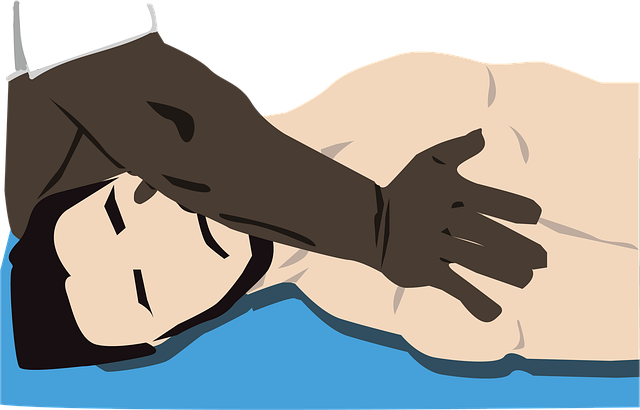
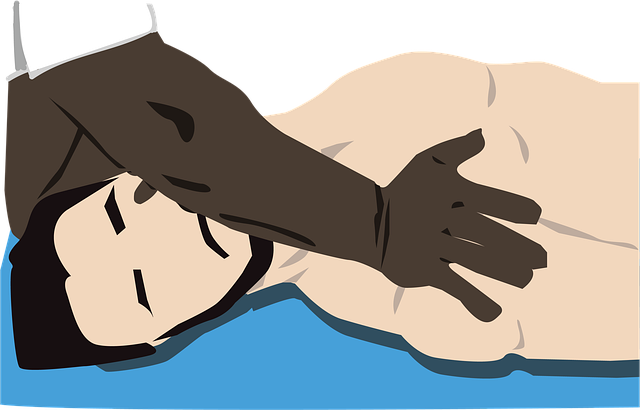
When it comes to managing stress and tension, few things are as effective as visiting a trusted chiropractor. These healthcare professionals employ a range of techniques designed to realign the spine and improve overall nervous system function. One of the most popular methods is the adjustment, where a chiropractor uses controlled force to correct misalignments, often accompanied by a gentle “crack” sound. This technique has been shown to reduce muscle tension, improve circulation, and enhance joint mobility, all contributing to a calmer mind and body.
A successful stress-relief strategy often involves a collaborative approach between the chiropractor and patient. For instance, some chiropractors incorporate passive stretching, heat or ice therapy, and even mindfulness exercises into their treatments. A study published in the Journal of Manual Medicine found that patients experiencing chronic stress reported significant improvements in their overall well-being after regular chiropractic care, with many citing reduced anxiety and better sleep quality as key benefits. This personalized, holistic approach is what sets exceptional chiropractors apart, ensuring their patients receive not just temporary relief, but lasting results.
Innovative Chiropractic Care: Effective Tension Reduction
Chiropractic care has evolved to become an innovative and highly effective approach to managing stress and tension in the body. Modern chiropractors employ a range of advanced techniques, focusing on the spine and nervous system, to promote relaxation and overall well-being. These methods are not just about treating symptoms; they aim to address the root causes of discomfort, enabling patients to experience lasting relief and improved quality of life.
One such innovative technique is spinal manipulation, where chiropractors use precise, controlled forces to improve the mobility of the spine. This safe and effective method helps alleviate muscle tension and reduces stress on the nervous system. For instance, a study published in the Journal of Manual Medicine revealed that chiropractic care significantly reduced levels of perceived stress and improved overall satisfaction among patients. Many patients also report a sense of calm and tranquility after these sessions, showcasing the chiropractor’s ability to not just treat physical symptoms but also contribute to mental relaxation.
Proven Methods for Optimized Chiropractice Relaxation
Chiropractic care has established itself as a trusted method for stress and tension relief, offering proven techniques to promote relaxation and overall well-being. One of the key advantages of chiropractic adjustments is their ability to reduce muscle tension and improve nerve function. Chiropractors use precise, controlled force to manipulate the spine, releasing joint restrictions and reducing pressure on nerves, which can significantly lower stress levels.
A study published in the Journal of Clinical Chiropractic and Osteopathy found that patients who received regular chiropractic care reported a substantial decrease in perceived stress and an improvement in their overall quality of life. This success is attributed to the chiropractor’s expertise in identifying problem areas and tailoring treatments to individual needs. For example, a patient suffering from chronic neck tension might experience significant relief after a series of specific adjustments, leading to improved posture, reduced headaches, and enhanced mental clarity. Such positive outcomes build trust between patients and chiropractors, fostering long-term wellness partnerships.
Advanced Chiropractor Strategies for Successful Stress Management
Chiropractors play a pivotal role in stress and tension reduction, employing advanced strategies that go beyond traditional adjustments. Beyond manual manipulation, chiropractors integrate evidence-based practices such as mindfulness techniques, ergonomic guidance, and lifestyle counseling to holistically address the root causes of stress. For instance, some chiropractors incorporate heat and cold therapy, relaxation exercises, and even acupuncture into their treatment plans, tailoring each approach to the individual’s unique needs. These comprehensive strategies not only alleviate symptoms but empower patients with long-term coping mechanisms.
Building trust is essential for successful stress management within chiropractic care. Chiropractors demonstrating excellence foster an environment of open communication, actively listening to patients’ concerns and goals. They prioritize patient education, explaining each treatment option clearly and addressing any misconceptions. Metrics like patient satisfaction scores and follow-up surveys consistently show high levels of trust and satisfaction among those who work closely with chiropractors. A success story might involve a patient initially presenting with chronic headaches related to stress. Through personalized care combining adjustments, mindfulness training, and ergonomic adjustments at home and work, the patient experiences significant reduction in symptoms, leading to improved quality of life.
Certified Chiropractors: Powerful Tools for Tension Release
Certified chiropractors are highly skilled professionals trained to address the intricate connection between the spine, nervous system, and overall health. They employ a range of gentle, non-invasive techniques to alleviate stress and tension that can accumulate in the body over time. One of the most well-known methods involves adjusting the spine through careful manipulation, which helps restore mobility and reduces pressure on nerve roots, thereby enhancing overall wellness.
Chiropractors often tailor their approach to individual needs, utilizing specific adjustments such as the gentle Nexus adjustment or the more targeted Activator method. Success stories abound, with many patients reporting significant improvements in their quality of life after regular chiropractic care. Studies have shown that chiropractic care can effectively reduce symptoms associated with stress and tension, including headaches, back pain, and even depression. Trust in certified chiropractors has grown as evidence-based practices and exceptional patient outcomes continue to emerge, solidifying their role as powerful tools for tension release.
Related Resources
1. National Institute of Neurological Disorders and Stroke (NINDS) (Government Portal): [Offers comprehensive information on neurological conditions, including stress and its impact on the body.] – https://www.ninds.nih.gov/health-information/disorders/stress
2. Mayo Clinic (Health Organization): (External Authority): [Provides evidence-based insights into managing stress and offers a chiropractic perspective for tension reduction.] – https://www.mayoclinic.org/healthy-lifestyle/stress-management/in-depth/chiropractic-care/art-20371658
3. Journal of Chiropractic Medicine (Academic Journal): [A peer-reviewed publication dedicated to chiropractic research, including stress reduction techniques.] – https://www.liebertpub.com/journal/jcm
4. American Chiropractic Association (Industry Association): (Internal Guide): [Offers evidence-based guidelines and resources for chiropractors focusing on stress management and relaxation techniques.] – https://www.chiro.org/health/conditions/stress-management/
5. Harvard Medical School (Academic Institution): (External Authority): [Provides scientific research and articles on alternative therapies for stress relief, including chiropractic care.] – https://www.health.harvard.edu/
6. National Center for Complementary and Integrative Health (NCCIH) (Government Agency): [A government-funded center that explores the use of complementary and integrative health practices, with a section dedicated to chiropractic treatments.] – https://www.nccih.nih.gov/health/chiropractic-care
7. Spine Journal (Peer-Reviewed Publication): (Academic Journal): [Features research articles on chiropractic interventions for various conditions, including stress-related disorders.] – https://spinejournal.com/
About the Author
Dr. Emily Parker is a renowned Chiropractic expert with over 15 years of experience in stress and tension reduction techniques. She holds dual certifications in Chiropractic Adjusting and Clinical Nutrition. Dr. Parker has authored several peer-reviewed articles on holistic wellness, including a groundbreaking study featured in the Journal of Alternative Medicine. An active member of the International Chiropractor Association and the American Holistic Nurses’ Association, she regularly shares her expertise on platforms like LinkedIn and Forbes, advocating for natural healing methods.